
For many Americans, choosing a presidential candidate is a personal decision influenced by hopes, frustrations, and beliefs about the future.After the election, some voters who once supported Donald Trump now start to wonder if they made the right choice.
Their reasons for doubting vary.
Some are worried about the economy, others about political tensions, and some feel let down by decisions that didn’t match what was promised during the campaign.These stories show that in American politics, people can change their minds, and support for a candidate doesn’t always last forever.
For many former Trump supporters, their original choice was based on important issues like inflation, immigration, government spending, and concerns about the country’s direction.
Trump represented a break from traditional politics for some, as he spoke directly to those who felt ignored by political leaders.However, after looking more closely at his policies and actions, some began to feel their expectations weren’t met.
Many voters say they are torn.
They still agree with some of Trump’s positions, but other issues have made them reconsider their support.For these people, regret doesn’t always mean a complete change in political beliefs.It can reflect disappointment with a candidate who didn’t deliver the results they expected.
The economy remains a key issue in American elections.
Many Trump supporters were motivated by rising living costs and frustration over everyday expenses.However, some are now questioning whether political promises have led to real improvements in their lives.
Groceries, housing, healthcare, and wages are major concerns for many families.
Even when national economic data shows improvement, people often judge the economy based on their own experiences.Someone struggling with rent, debt, or daily costs may feel disconnected from positive economic news.This gap between national statistics and personal reality can shape how voters view political leaders.
Some former Trump voters expected quicker changes and more direct fixes.
When those expectations weren’t met, frustration grew.
Economic issues aren’t the only reason some former supporters feel regret.
Others have concerns about Trump’s leadership style, how he treats political opponents, and the level of conflict during his presidency.For these people, the constant political fighting became exhausting.
Others became uneasy with certain statements, decisions, or controversies linked to Trump and his administration.
For some, these concerns built up over time.They didn’t suddenly change their minds overnight.
Instead, they say their views shifted after seeing how events played out and how campaign promises compared to real outcomes.
Political experts call this voter reevaluation, where people adjust their opinions based on new information or changing circumstances.
Changing political views can be hard, especially when politics has become deeply tied to personal identity.
Many voters feel pressure from friends, family, or communities that share strong political beliefs.
Admitting regret can feel like admitting a personal mistake, not just changing an opinion.
That’s why some former Trump supporters are hesitant to talk about their feelings.
Political discussions in the U.S.
have grown intense, often turning into personal attacks.For some, saying they regret their vote can lead to criticism from both sides.
Former supporters who now express doubts often find themselves in a complicated position.
They may no longer support Trump but still disagree with parts of the Democratic Party.Their views don’t fit neatly into one group.
These experiences show a larger truth about elections: voter opinions can shift.
Candidates often win support by connecting with people’s concerns at a particular moment.But once in office, their actions are judged against those promises and expectations.
Some voters who supported Trump say they still believe their choice was right and that he continues to represent their values.
Others have changed their minds after seeing his leadership in action.
Both reactions show the complexity of modern politics.
Many Americans don’t vote based on a single issue.They consider a mix of economic concerns, personal values, leadership style, and trust.
The voices of former Trump supporters could be an important part of future elections.
Candidates from both major parties will likely pay close attention to voters who are open to reconsidering their choices.
Independent voters and those who switch support between elections often play a key role in determining outcomes.
Their concerns can highlight which issues are most important and where political messages fail to connect.
For Trump and his supporters, keeping the confidence of voters who helped him win remains a big challenge.
For his opponents, winning over voters who are disappointed requires more than just criticizing him.It means addressing the concerns that originally brought them to his side.
Political regret is not uncommon.
Throughout American history, voters have supported candidates and then questioned their choices.What changes over time is the reason behind that regret and what voters decide to do next.
For some former Trump supporters, their experience has become a lesson in how political decisions are made.
A vote may be cast on one day, but the conversation around that choice can continue for a long time after the election ends.
About the Author

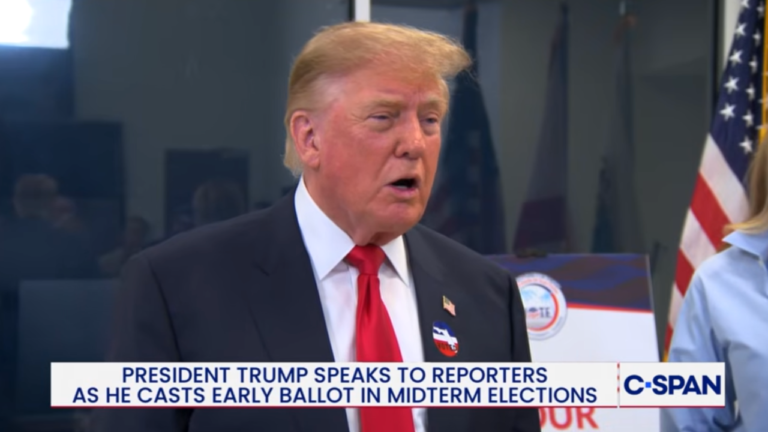
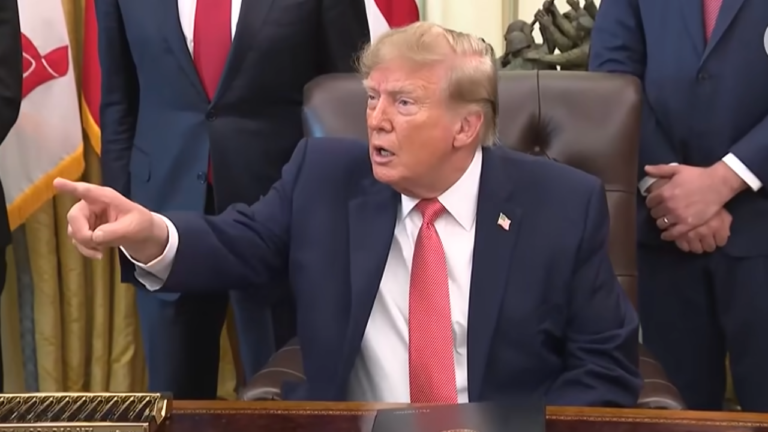
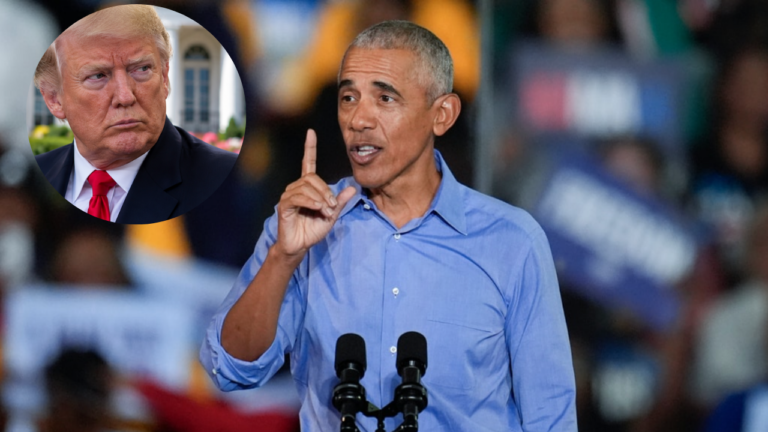
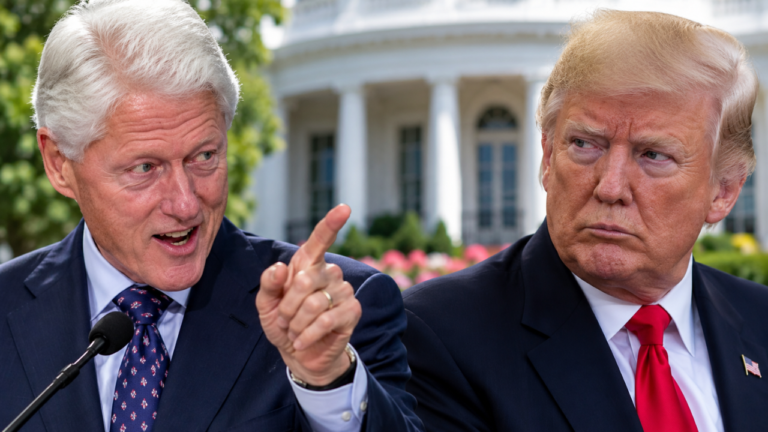
A Look at the Thin-Skinned, Orange face idiot in the Oval Office of the USA. In wrestling, you have heels (the bad guys) and baby faces (the good guys) In order to be a good heel in the wrestling business, you have to be arrogant, cocky, mean, cruel, braggadocious, and break all the rules while at the same time being a liar, a coward, a victim, and a chickenshit. Donald Trump plays the heel to an absolute T.
He’s as arrogant and braggadocious as anyone can be. No one talks themselves up and puts themselves over like Trump. On one hand, he claims to be the strongest man in the room, but he always finds a way to lie and pass the blame when he loses, and he’s the ultimate coward and chickenshit. I really wish he would have just gone into the wrestling business full time as a character and saved the country all the damage.
Here’s Why He’s Truly Delusional
Donald Trump divides people every time he opens his mouth. He throws bigotry and racism at every culture out there. He hurls insults at every country (except ones run by dictators; he loves those) he puts tariffs on our allies even in their time of crisis. He’s the absolute bully of the world, and yet he goes out to these events expecting the world to bow and kiss his ass.
Then you have his delusional followers mad at people for booing him? Why? They hate us. Why would they want us to cheer for him? The whole thing is truly a national embarrassment, and years from now people will study this time frame. They will study Trump and his delusions and they will study how his followers were so easily duped.
Just Lean Into To Pal
Trump will never get the “Road Warrior Pop.’ (For those of you that don’t know, the Road Warriors were a baby face tag team that used to get the loudest pops of any baby face, and to this day pops are based on whether it was as loud as a “Road Warrior Pop.” Trump is not loved by people outside his cult and never will be. He will always be hated in life and even in death so he should lean all the way into it.
The fact that he sits back and cries over the boos, the thumbs down and the middle fingers just shows what a truly weak, fragile, thin-skinned, demented fuck Trump truly is. If Trump wants to be the heel and his followers want to cheer for the heel then you can’t expect to get love and adulation. A heel is supposed to get booed and trust me, Trump will be booed from now to eternity because he’s a real-life heel, and real-life heels are worse than anyone doing strictly for entertainment.
You’re currently a free subscriber to https://substack.com/redirect/3c3a42f5-20b4-4e12-8fe7-03e6694623ba?j=eyJ1IjoiMWxqeXFpIn0.NNHIeF-eHCa-CmbW-nhJvPEjt_ZozAT2PUjA6vwkeRs.