Donald Trump has opened the door to issuing sweeping presidential pardons for members of his administration, raising new questions about whether White House staffers could receive protection from potential future federal criminal prosecutions.
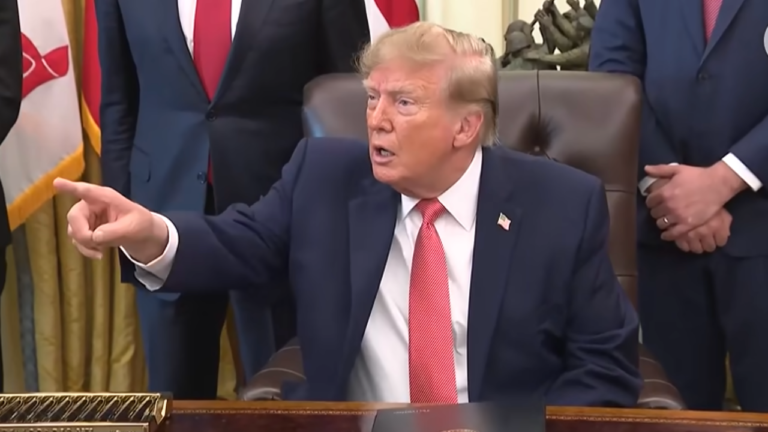
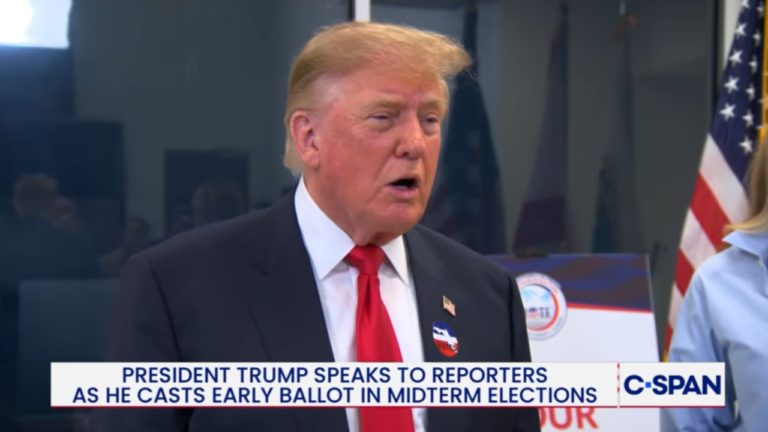
Speaking to reporters in Florida on Saturday, Trump was asked about a report that his administration was evaluating possible mass pardons for junior staffers.
Rather than dismiss the idea, the president defended his authority to issue pardons and suggested that members of his team should not have to face the kind of legal scrutiny he believes his own allies endured during the Biden administration.
“I haven’t thought of it, but I will tell you, it would be very unfair to go through what we went through for four years with the corrupt weaponization that took place,” Trump said.
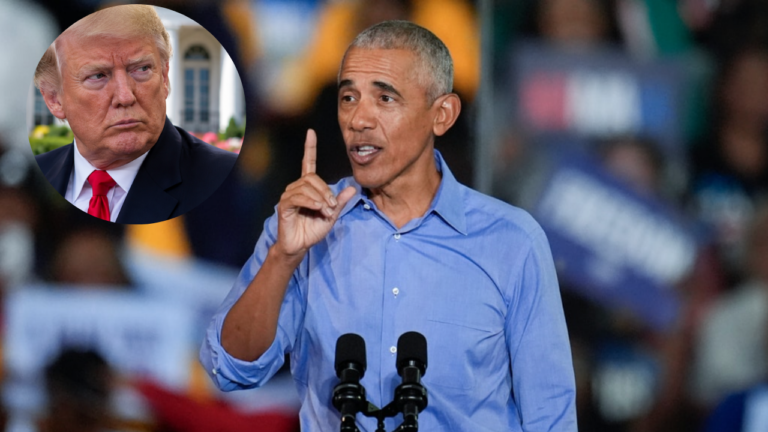
He then invoked former President Joe Biden’s use of pardons, including those granted to members of the congressional committee that investigated the January 6 attack on the Capitol.
“So certainly, I haven’t thought about it. But certainly I’d be allowed to,” Trump added.
The exchange followed a report from the Washington Sun that White House lawyers were examining whether broad pardons could be prepared for lower-level administration employees.
According to the report, conservative organizations, including the Heritage Foundation, had urged the administration to consider legal protections for staffers who might face criminal investigations, congressional inquiries or civil litigation after leaving government.
The discussions reportedly included the possibility of pardons covering employees involved in particular policy areas, including immigration enforcement, military operations and trade.
One source described a blanket pardon for every junior administration employee as unlikely.
But the president’s remarks suggested that he was receptive to the broader idea of shielding his staff.
Then Trump made the issue personal.
Pointing toward White House communications adviser Margo Martin, who was standing near the assembled reporters, he described the possibility that an administration employee could face costly legal proceedings after leaving office.
“The presidential pardons, they say, are the most powerful thing a president has,” Trump said.
“I certainly don’t want to see innocent people go through hell and lose all their money — like Margot — lose all their money, because if she becomes a target, you know she’s a very honest person.”
He continued by imagining Martin being called before a grand jury.
“But they’re going to drag her into a grand jury. Margot, you’re not going to have to worry about it, okay?”
It was a striking moment: the sitting president publicly reassuring a member of his staff while discussing the possibility of using one of the presidency’s most consequential constitutional powers.
Presidential pardons can provide protection against federal criminal liability for past conduct, even before charges are filed. But they do not automatically eliminate state criminal liability, civil lawsuits or congressional oversight.
And receiving a pardon does not, by itself, establish that the recipient committed a crime.
The administration has not announced a mass-pardon program, and Trump did not identify any specific offenses for which his employees might need protection.
Still, the possibility raises significant questions about accountability.
Trump has repeatedly accused Democratic officials of weaponizing the justice system against him and his political allies. His critics, meanwhile, have warned that broad pardons for administration personnel could make it harder to hold officials accountable for potential misconduct.
Those competing arguments are likely to intensify if the White House moves from discussing pardons to actually issuing them.
For now, the president has stopped short of making a formal commitment.
But his comments Saturday went beyond a theoretical discussion of presidential power.
Standing in front of reporters, Trump singled out a member of his own team and told her she would not have to worry.
Whether that reassurance becomes an actual presidential pardon remains to be seen.
About the Author