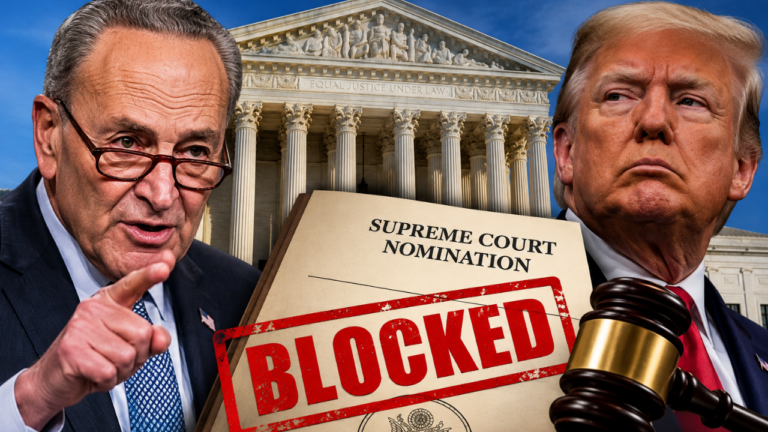
A growing legal fight is brewing over proposed changes to the Lincoln Memorial Reflecting Pool, with preservationists accusing Donald Trump of trying to transform one of America’s most iconic landmarks into something that looks more like a resort attraction.
Leading the opposition is Charles A. Birnbaum, head of the Cultural Landscape Foundation, which has filed a lawsuit seeking to block the project.
“A blue-tinted basin is more appropriate to a resort or theme park,” Birnbaum said, arguing that the Reflecting Pool’s understated design is central to the symbolic connection between the Washington Monument and the Lincoln Memorial.
According to the lawsuit, Trump’s proposed redesign would coat the Reflecting Pool in what supporters have reportedly described as an “American flag blue,” dramatically changing the look of the historic site.
Critics say the idea clashes with the original purpose of the memorial landscape, which was designed to create a calm, reflective visual corridor—not a flashy centerpiece.
The lawsuit, filed in federal court in Washington, argues that the administration failed to follow required review procedures under the National Historic Preservation Act and the National Environmental Policy Act before moving ahead with the project.
Preservation groups are asking the court for emergency intervention to stop construction before any permanent changes are made.
The controversy has also become politically charged. Critics of Trump see the renovation push as another example of his preference for grand, highly personalized aesthetics, while supporters argue he is trying to modernize and revitalize public spaces.
The debate comes at a time when Trump is already facing intense scrutiny over other major issues, including the economy and foreign policy. Opponents argue that his focus on high-profile renovation projects reflects misplaced priorities during a period of broader national tension.
For now, the future of the Reflecting Pool project will likely be decided in court—but the battle over how America’s most recognizable public spaces should look has already become deeply political.
About the Author