Defense Secretary Pete Hegseth is facing growing questions about his political future following Republicans’ major midterm election losses, with a new report describing serious concerns about his leadership inside Donald Trump’s own administration.
According to a November 4 report by CNN, an unnamed Trump administration official believes Hegseth recognizes that his position at the Pentagon may be in jeopardy.
The official offered an especially striking assessment of what Hegseth might be considering as the pressure intensifies.
“I think he probably knows he’s dead but would like an exit sufficiently dramatic that it gives him a launching pad to run for POTUS,” the official reportedly told CNN.
The remark was a metaphor for Hegseth’s political prospects, not a literal threat. It also reflected the opinion of an anonymous source rather than a confirmed decision by Trump.
But the comment illustrates the extent of the reported uncertainty surrounding the defense secretary after the November 3 elections.
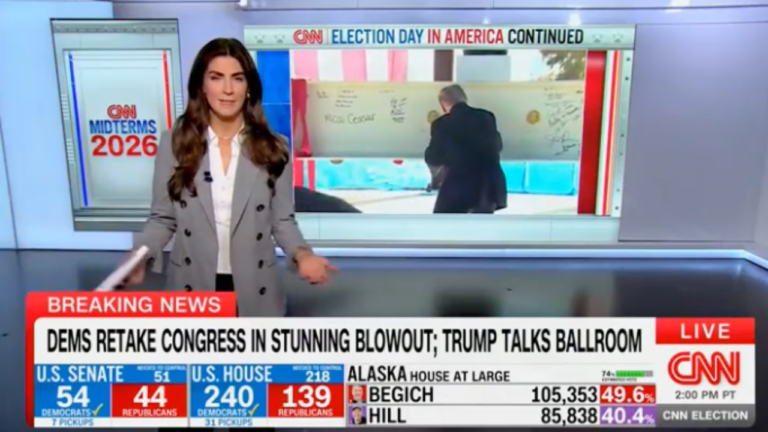
Republicans suffered significant setbacks in the House and Senate, prompting renewed debate about the administration’s policies and the political consequences of the war with Iran.
Hegseth, who has played a central role in overseeing the military campaign, has emerged as a target of criticism from some Republicans.
CNN reported that several party figures believe he encouraged Trump to launch the operation without sufficiently preparing for its consequences or establishing clear expectations about the conflict.
Those allegations have not been established as independent findings of misconduct.
One Republican close to the White House nevertheless offered a sharply critical assessment of Hegseth’s performance.
“If the president is serious about anyone taking responsibility for it, it’s Pete Hegseth,” the Republican told CNN.
The source continued:
“Pete has been either dishonest or incorrect — neither of which are acceptable — about timelines, goals and objectives since the beginning.”
The criticism suggests that disagreements over the Iran war may be contributing to the uncertainty about Hegseth’s future.
The administration’s military strategy has become a major subject of political debate, particularly as lawmakers consider the conflict’s economic costs, objectives and potential consequences for American troops.
Critics have questioned whether the administration adequately explained the scope of its military objectives and the conditions under which operations might conclude.
Supporters of the administration have defended its actions as necessary to protect American security interests.
For Hegseth, however, the political pressure is no longer confined to public criticism.
A separate CBS News report published Wednesday said Trump had privately asked advisers whether Hegseth should remain in his position.
The report also identified Florida Governor Ron DeSantis as a name reportedly discussed as a possible replacement.
Neither development establishes that Trump has decided to remove Hegseth or that DeSantis has been formally offered the job.
Nevertheless, the reports raise questions about whether the president’s public expressions of confidence reflect the full extent of his private discussions.
Trump has continued to defend his defense secretary.
Asked Wednesday about Hegseth’s future, the president responded:
“Well, I think he’s doing a very good job.”
The statement offered a clear contrast with the concerns described by unnamed Republican and administration sources.
Trump’s public support also complicates any suggestion that Hegseth’s departure is inevitable.
The president retains the authority to dismiss his defense secretary, but no such decision was announced in the reports.
Hegseth is also facing a separate challenge from Congress.
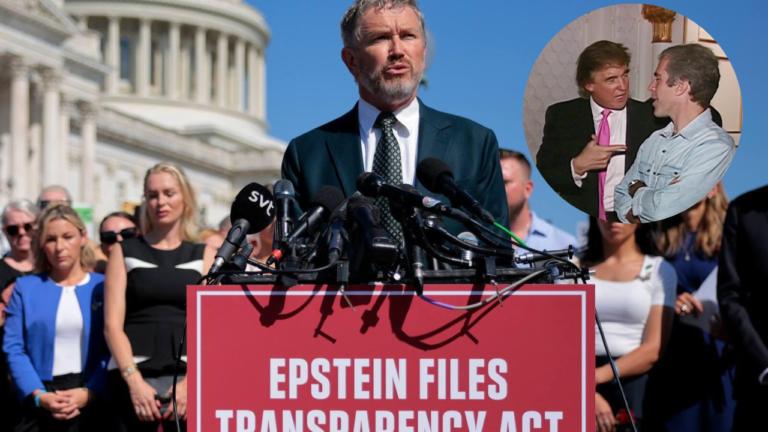
Republican Representative Thomas Massie of Kentucky has indicated that he intends to force a House vote on articles of impeachment against the defense secretary when lawmakers return to Washington.
Massie’s effort could bring Hegseth’s conduct and the administration’s military decisions into a formal congressional debate.
The Kentucky Republican has been an outspoken critic of Trump’s approach to the Iran war and has challenged the administration over presidential war powers.
Speaking about the election results, Massie argued that the Republican Party’s problems could not be explained by a single issue.
“You don’t screw up this badly an election with just one issue,” Massie said.
“It was completely avoidable if they’d just broken out of the cultish following of Donald Trump.”
His comments reflected a broader dispute among Republicans over responsibility for the party’s election performance.
CNN reported that multiple Republican sources expected an impeachment measure against Hegseth to receive enough support to pass the House.
That expectation remains a prediction attributed to those sources, not a confirmed vote count or an official congressional decision.
Even if the House approved articles of impeachment, Hegseth would not automatically be removed.
The Senate would need to convict him by a two-thirds vote of senators present before he could be removed through the impeachment process.
Another significant development came from Vice President JD Vance.
According to Mediaite’s account of Vance’s Wednesday social-media remarks, the vice president directly linked the Republican election defeat to the war.
“The reason we lost is the war,” Vance declared.
The statement added another prominent administration voice to the debate over how the Iran conflict affected the party’s political standing.
It did not, however, establish that the war was the sole cause of the election results. Voters’ decisions can reflect numerous national and local factors.
As speculation about Hegseth’s future intensified, the Pentagon issued a firm statement rejecting the impression that he was preparing to leave.
Pentagon spokesman Sean Parnell told CNN that Hegseth remained “100% committed to leading the Department until the end of President Trump’s term in office.”
The statement presented a markedly different picture from the anonymous administration official’s assessment.
On one side are reports of private doubts, criticism from Republicans and a potential congressional impeachment confrontation.
On the other are Trump’s public endorsement and the Pentagon’s insistence that Hegseth intends to remain in office.
The competing accounts leave the defense secretary’s future unresolved.
The possibility of a leadership change has nevertheless become a significant political issue as Republicans assess the consequences of the midterm elections.
For now, Hegseth remains defense secretary, Trump continues to defend him publicly, and congressional critics are preparing their next moves.
But the anonymous official’s remarkable prediction has added a new dimension to the debate.
The question is no longer limited to whether Hegseth can withstand criticism from Democrats.
It is also whether the reported doubts inside Republican circles will translate into any concrete decision about his future.
About the Author