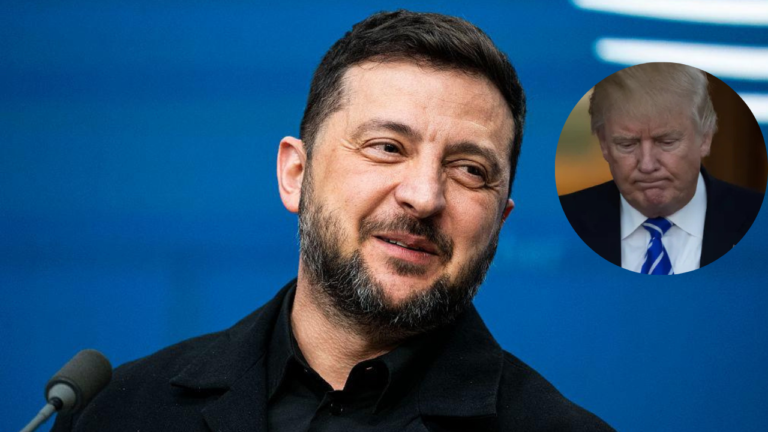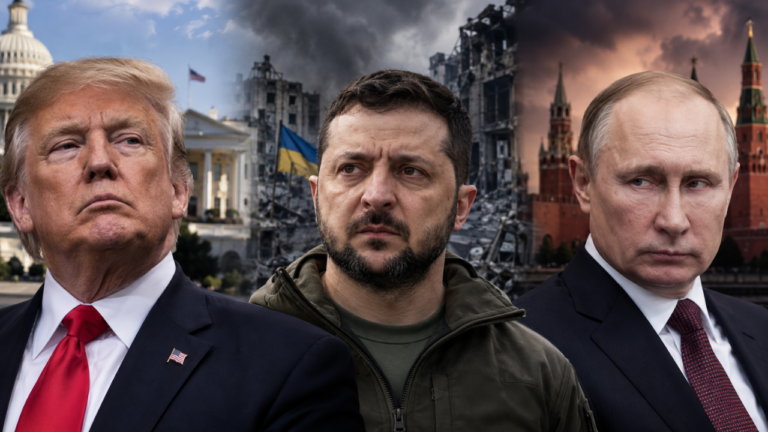
Ukrainian President Volodymyr Zelenskyy has issued an urgent appeal to Americans after Donald Trump moved to suspend sweeping new sanctions against Russia, warning that the decision comes at a dangerous moment as Moscow intensifies its attacks on Ukraine’s energy infrastructure.
The timing could hardly be more alarming.
Russian forces have launched another massive assault on Ukrainian power facilities, threatening electricity and heating supplies as winter approaches. According to Zelenskyy, more than 15 critical energy facilities were targeted across several regions.
In just 12 hours, he said, Russia deployed more than 320 drones and other weapons, including cruise and ballistic missiles.
While Ukrainian air defenses intercepted many of the incoming threats, the scale of the attacks has placed enormous pressure on the country’s ability to keep the lights on.
Against that backdrop, Trump signed an executive order Friday waiving much of the new sanctions package approved by Congress under the Lindsey O. Graham Sanctioning Russia and Iran Act of 2026.
The legislation, which Trump himself signed into law in September, was designed to increase economic pressure on Moscow by targeting Russian officials, financial institutions, energy interests, and countries purchasing Russian oil and gas.
But just before the new restrictions were scheduled to take effect, Trump invoked a provision allowing him to waive their application in the national interest.
Existing American sanctions against Russia remain in place. The decision instead prevents major new penalties from taking effect.
Zelenskyy was furious with the direction of the decision.
In a statement posted on X, he urged Americans to pay attention to the reality unfolding in Ukraine and criticized Washington for setting aside legislation intended to put greater pressure on Russia.
“It is important that everyone in America also sees what is really happening,” he wrote.
He warned that Russia was deliberately targeting the infrastructure millions of civilians depend on for electricity and heat.
For the Ukrainian president, the problem is not simply that Washington has chosen a different diplomatic approach. It is that reducing economic pressure on Moscow risks making continued attacks less costly for Vladimir Putin.
Zelenskyy argued that the sanctions legislation could still help bring the war closer to an end if the United States chose to enforce it.
The White House, meanwhile, maintains that the waiver serves American national interests.
The decision follows Trump’s controversial move to permit a major new flow of Russian diesel into international markets, a policy that has also drawn criticism from lawmakers concerned about the financial benefits to Moscow.
And the backlash is not limited to Democrats.
Republican senators John Cornyn and Thom Tillis have publicly condemned the sanctions waiver, with Tillis questioning why the administration would set aside legislation that passed the Senate with overwhelming bipartisan support.
Their criticism underscores the political problem Trump has created for himself: Congress approved new pressure on Russia, the president signed it into law, and now his administration has chosen not to implement much of it.
For Zelenskyy, the consequences are immediate.
Ukrainian crews are working to restore damaged energy facilities while Russian attacks continue. The coming winter threatens to make every prolonged power outage more dangerous for civilians.
And while Trump argues that his approach serves American interests, Ukraine’s president is asking Americans to consider what easing pressure on Russia means for the people still living under its bombardment.
The question now is whether Washington will reconsider the waiver — or whether Putin will enter the winter facing less economic pressure than Congress intended.
About the Author