Donald Trump sued the BBC for an eye-watering $10 billion over its coverage of January 6. Now the president is fighting to prevent former special counsel Jack Smith from testifying in the very lawsuit he chose to file.
And the BBC has a pointed response: Trump cannot drag a broadcaster into court over what happened before the Capitol attack, then prevent it from gathering evidence about what happened.
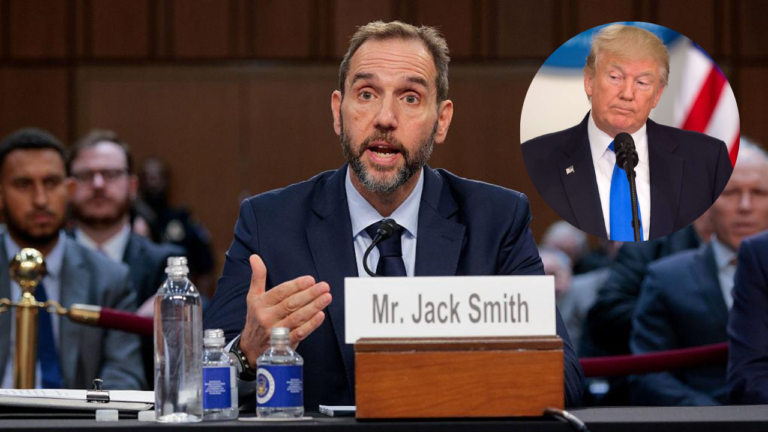
The latest confrontation emerged Monday as the BBC sought to question Smith, the former federal prosecutor who investigated Trump’s efforts to overturn the 2020 presidential election.
The broadcaster wants to know what evidence Smith uncovered about Trump’s intentions and conduct surrounding January 6, 2021 — questions that could become relevant to whether the BBC’s documentary defamed the president.
Trump’s attorneys are trying to block the deposition.
In a court filing, they argued that Smith “lacks any personal knowledge regarding the issues in this matter.”
Their position is that Smith was not present when Trump delivered his January 6 speech, did not help prepare it, and cannot personally testify about what was going through Trump’s mind. They also characterized evidence collected during his investigation as secondhand.
The BBC isn’t buying that argument.
Its attorneys responded that “none of [Trump’s] arguments for blocking the deposition of Mr. Smith can withstand scrutiny.”
They noted that Smith himself does not object to testifying and argued that his investigation gathered evidence beyond what appeared in his public report.
Then came the BBC’s most pointed argument.
“No one forced Plaintiff to file this lawsuit,” its lawyers wrote, arguing that Trump cannot pursue his claims while denying the broadcaster the opportunity to obtain evidence for its defense.
That is the uncomfortable position Trump now faces.
The president’s lawsuit stems from a 2024 BBC Panorama documentary that edited together separate portions of his January 6 speech, creating the misleading impression that he directly urged supporters to march on the Capitol and fight violently.
The BBC acknowledged the editing mistake and apologized. Two senior BBC executives subsequently resigned.
But the broadcaster maintains that the error does not establish legal defamation, and it is contesting Trump’s demand for $10 billion.
The distinction matters. The BBC’s admission that its editing was misleading is not the same as admitting that Trump has proved every element of his lawsuit.
And because Trump is seeking damages over the documentary’s portrayal of his conduct, the broadcaster argues it is entitled to examine relevant evidence about his actions and intentions.
Smith, who led the federal investigation into Trump’s attempt to overturn the 2020 election, is an obvious figure for the BBC to seek information from.
His investigation examined the events leading up to January 6, the president’s efforts to challenge the election results, and what Trump knew as the violence unfolded.
That does not mean Smith’s testimony will necessarily be admitted or that it will establish the BBC’s defense. The court must resolve the dispute over the subpoena.
But the attempt to keep Smith from being questioned is only one part of the growing legal fight.
Trump is also resisting efforts to take his own deposition.
According to the BBC, his attorneys agreed to make him available on October 16, then canceled, citing “matters of national importance.”
The broadcaster says Trump subsequently proposed dates in January 2027 — after the current December deadline for gathering evidence.
And Monday brought another awkward detail.
The BBC pointed out that Trump spent October 16 attending a campaign rally in Georgia and a Republican fundraising event at Mar-a-Lago.
The broadcaster is now asking the court to compel the president to sit for questioning before the discovery period closes.
Trump’s legal team has maintained that the BBC maliciously distorted his remarks and should be held accountable. His lawyers also argue that Smith’s proposed testimony is irrelevant and unnecessarily repetitive.
Those are legal positions the court will have to weigh.
But the broader contradiction is difficult to miss.
Trump chose to bring a $10 billion lawsuit over a documentary about January 6. The BBC is now trying to examine the evidence, question a former federal prosecutor who investigated the events, and obtain sworn testimony from the president himself.
Trump is fighting those efforts.
The case has not been decided, and opposing a deposition is not proof of wrongdoing. Still, the president’s own lawsuit is opening the door to precisely the kind of scrutiny of January 6 that he has spent years denouncing.
And with a hearing over his deposition scheduled for Thursday, the question is no longer simply whether the BBC’s editing was misleading.
It’s whether Trump will have to answer uncomfortable questions under oath in the legal battle he started himself.
About the Author