Donald Trump received a 38% job approval rating in early Election Day exit polls on November 3, 2026, as voters expressed widespread dissatisfaction with the economy, rising prices and the financial pressures facing American households.
The figure stood out in historical comparisons with previous midterm elections, placing Trump’s approval below the comparable exit-poll readings recorded for other presidents.
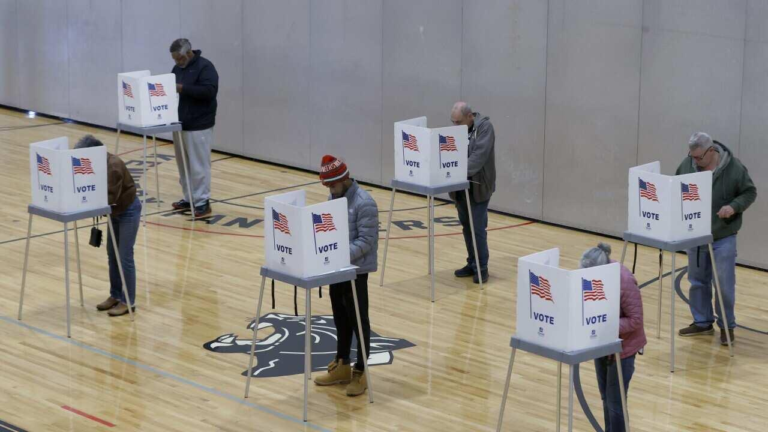
The findings offered an early picture of the political environment as Americans voted in congressional races across the country.
According to initial exit-poll reporting, 38% of surveyed voters approved of Trump’s performance as president.
The comparison was particularly notable because presidential approval has historically been an important factor in midterm elections, when the party holding the White House often faces difficult congressional contests.
However, the figures did not establish the outcome of any individual race, and exit polls are not a substitute for actual vote counts.
Economic dissatisfaction was another prominent finding.
Approximately 75% of surveyed voters described the condition of the national economy negatively, suggesting that concerns about household finances remained widespread despite the administration’s economic messaging.
High prices were a particularly important issue.
According to the early findings, 62% of respondents held Trump responsible for the high prices facing American consumers.
Inflation also remained a source of concern, with the figures circulated on Election Day indicating that 79% of respondents were experiencing some degree of financial hardship because of rising prices.
These concerns included the cost of groceries, housing, utilities and other everyday expenses that have placed pressure on household budgets.
The findings also pointed to dissatisfaction with the president’s broader economic policies.
NBC’s early exit-poll reporting indicated that approximately 65% of respondents believed Trump’s policies had made the economy worse.
That measure should not be confused with a separate question specifically about tariffs.
Trump has repeatedly defended his trade policies, arguing that tariffs protect American industries and strengthen the country’s negotiating position.
Critics, including economists and political opponents, have argued that broad import tariffs can raise costs for American businesses and consumers.
The economic debate has unfolded alongside disagreements over the administration’s foreign policy, including its actions involving Iran.
But the exit-poll figures alone do not establish how much any particular policy contributed to inflation or whether voters attributed their financial difficulties to the conflict.
What the surveys do show is that many voters entering polling locations were dissatisfied with economic conditions and with the president’s performance.
Those findings could become important context for understanding the election once official results are available.
A congressional election determines more than which party controls the legislative agenda.
Majorities in the House and Senate also affect committee leadership, congressional oversight, federal spending negotiations and the ability of lawmakers to advance legislation.
If either chamber changes party control, the incoming majority would gain important institutional powers, although the president would retain constitutional authority over legislation and executive-branch decisions.
The historical comparison surrounding Trump’s approval rating is also significant.
Previous presidents, including George W. Bush, faced difficult midterm environments when their approval ratings declined substantially.
The 38% figure was reported as an unusually low reading in comparable midterm exit polling.
It should not, however, be described as the lowest presidential approval rating ever measured in any American poll. Different surveys, time periods and methodologies can produce different results.
Exit polls also have limitations.
They survey samples of voters rather than every person who casts a ballot, and their estimates can change as additional interviews and voting information become available.
The final election results will provide a more definitive picture of how Americans voted.
For now, the initial surveys reveal a clear concern among many voters about the economy and the president’s performance.
And as the votes are counted, those findings will provide one important measure of the political climate surrounding the 2026 midterm elections.
About the Author