With less than a day remaining before the November 3 midterm elections, two major prediction markets were pricing Democratic candidates ahead in seven closely watched U.S. Senate races, according to a Monday afternoon report from Mediaite.
The November 2 snapshot from Kalshi and Polymarket covered contests in Texas, Iowa, Maine, Kansas, Michigan, Ohio and Alaska, including several races where market expectations had shifted sharply in the final days of the campaign.
In Texas, Democratic candidate James Talarico was trading at 76% against Republican Attorney General Ken Paxton on both platforms.
Iowa saw one of the most notable changes. Democratic candidate Josh Turek reached 52% against Republican Rep. Ashley Hinson, reversing a position from Sunday, when Hinson had been priced at 57% on Kalshi and 56% on Polymarket.
A similar shift appeared in Kansas. Republican Sen. Roger Marshall had been trading as high as 62% the previous week, but Democrat Adam Hamilton reached 63% on both markets by Monday.
In Maine, Democrat Troy Jackson was priced at 73% against Republican incumbent Susan Collins.
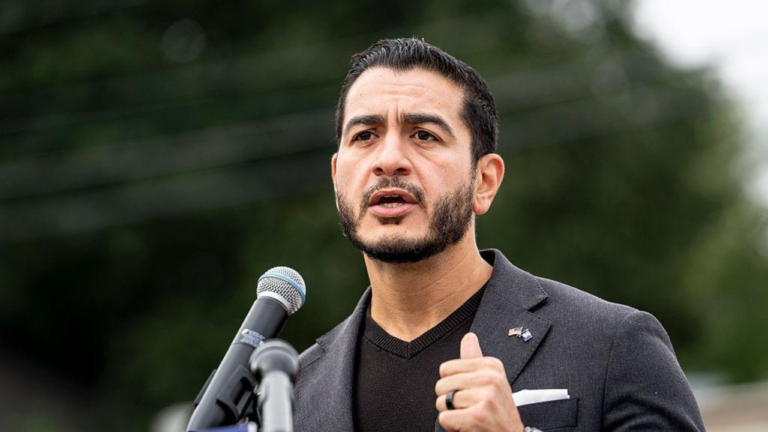
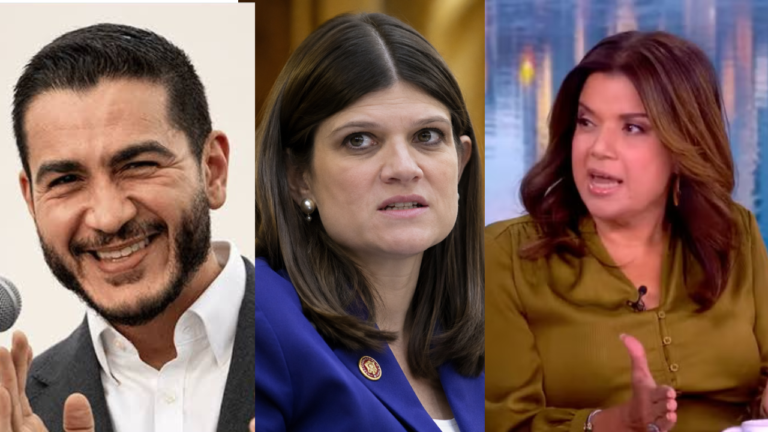
Michigan’s Senate contest also drew attention. Democratic candidate Abdul El-Sayed remained ahead of Republican Mike Rogers in the markets, even after his former Democratic primary opponent, Haley Stevens, endorsed Rogers. Mediaite reported that El-Sayed’s market position had strengthened following the endorsement.
In Ohio, Democratic former Sen. Sherrod Brown was trading at 71% against Republican Sen. Jon Husted.
Alaska presented another closely watched contest, with Democrat Mary Peltola priced at 72% against Republican incumbent Dan S. Sullivan.
That race had become entangled in controversy following a New York Times report alleging that Democrats had recruited another candidate named Dan Sullivan to create confusion among voters. The allegation prompted legal action seeking to delay certification, but the lawsuit was dismissed.
Despite that dispute, Monday’s market snapshot continued to show Peltola ahead in contract pricing.
The figures represent market-implied probabilities based on contracts bought and sold by traders. They are not vote totals, traditional opinion polls or guarantees of election outcomes. Contract prices can change rapidly as new information emerges or trading activity shifts.
The seven contests are among the races drawing national attention because of their potential significance for the balance of power in the Senate.
But even if every result matched the Monday market snapshot, the final composition of the chamber would still depend on the full set of Senate contests being decided across the country.
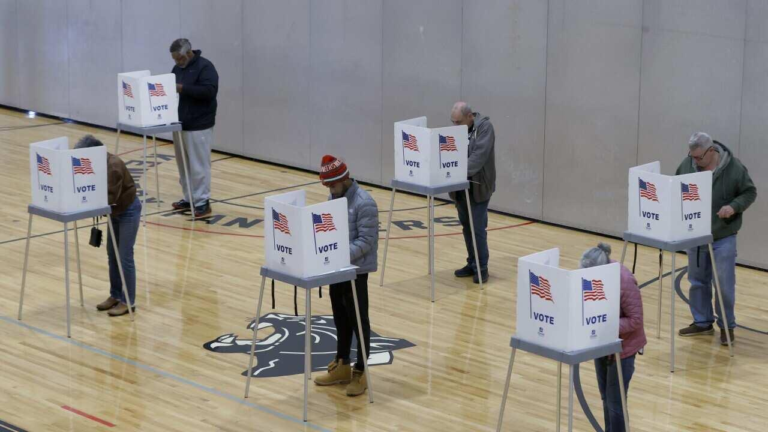
For now, the November 2 figures provide a snapshot of how traders were pricing several major races immediately before voters headed to the polls.
The actual results will be determined by ballots cast and counted in each state.
About the Author