
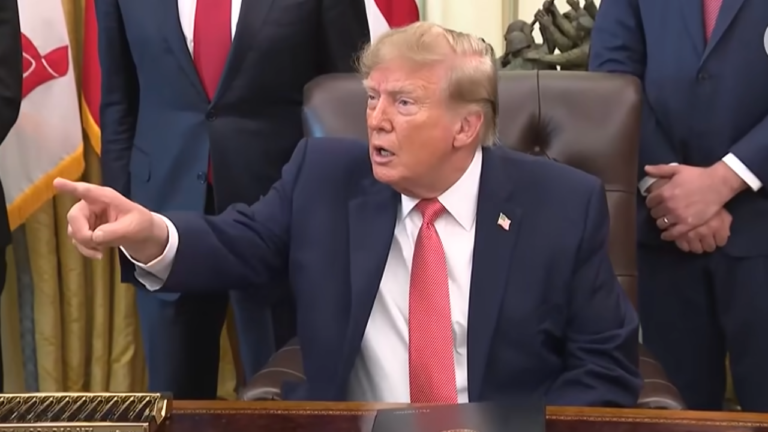
In April 2016, Donald Trump said he could get rid of the country’s national debt, which was more than $19 trillion at the time, within eight years.Most economists thought this was not possible, because it would mean taking out over $2 trillion each year from a budget that was about $4 trillion.Trump believed that by making better trade deals, especially with China, the economy could grow enough to handle the debt.But economists said a trade war would actually hurt the U.S.economy.
A decade later, this promise seems impossible.
As of January 1, 2026, the total public debt is $39.065 trillion, according to the Federal Reserve’s data.The Treasury’s more detailed daily count is a bit higher than the quarterly numbers from FRED.Either way, the debt has more than doubled since Trump said he could eliminate it.
The main issue is how fast the debt is growing.
In July 2025, the debt was $37.638 trillion, then $38.514 trillion in October 2025, and $39.065 trillion by the start of 2026.Since 2020, the debt has risen by about $16 trillion.At the current rate, it could reach $50 trillion before 2030.
This debt is growing even faster because interest rates are high.
The 10-year Treasury yield is 4.57%, the 30-year is 5.09%, and even the 3-month bill is at 3.84%.The Federal Funds rate is around 3.75%, which is much higher than the 1% rates seen in the 2010s.That made it cheaper to borrow money back then.
When looking at the cost of interest, it’s important to know that Treasury bonds are repaid slowly.
So when a new bond is issued, the rate used is based on today’s market rates.If the rate is higher now than it was a few years ago, the cost of borrowing increases.For example, if the 10-year rate goes up just one percentage point, the annual interest cost can increase by hundreds of billions of dollars.The actual interest paid depends on the types and lengths of the bonds that are still outstanding.
This debt affects everyday people.
In the first quarter of 2026, the average person’s disposable income was $68,391.The savings rate has dropped from 6.2% in early 2024 to 3.9%, meaning people are spending more of their income.At the same time, average hourly wages have only gone up slightly, from $11.13 in January 2024 to $11.32 in June 2026.
Government spending for programs like Social Security, Medicare, and Medicaid in the first quarter of 2026 reached $5,099.7 billion.
Paid at today’s interest rates of 4% to 5%, this spending adds to the growing debt.
Keep an eye on the next Treasury refunding announcement and the weighted average interest rate reported in the monthly Treasury statement.
Every small increase in the average rate adds more money to the annual interest bill.If the 10-year rate continues to rise and the debt grows at its current pace, the interest cost could become the fastest-growing part of the federal budget.This is more important than any promises made a decade ago when deciding whether the $50 trillion mark will be reached before or after this decade ends.
About the Author



Donald Trump is using the US Treasury as Trump’s personal piggy bank