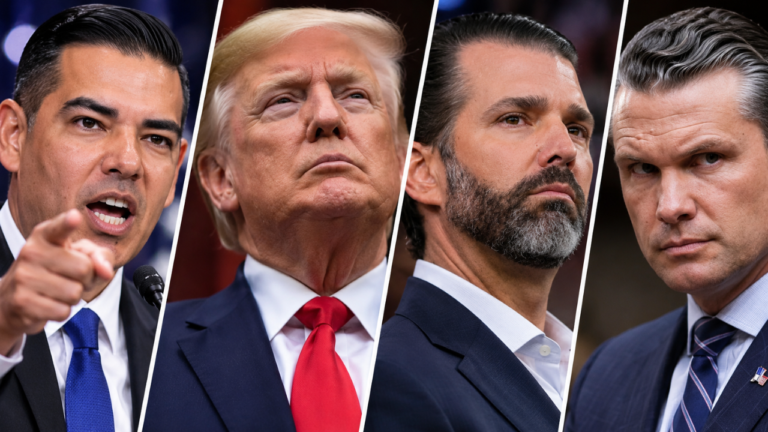
Democratic Rep. Robert Garcia delivered a blunt warning to President Donald Trump and his administration following the November 3 midterm elections, signaling that congressional oversight could take a dramatically different direction when Democrats assume control of the House of Representatives.
The warning came as Democrats celebrated their reported House victory and began discussing how they would use their new majority to investigate the Trump administration.
Garcia, a leading Democrat on the House Oversight Committee, has been among the lawmakers calling for greater scrutiny of the administration’s actions, including potential conflicts of interest, immigration enforcement and the handling of sensitive government information.
The House Oversight Committee is one of Congress’s principal investigative bodies. Its members can conduct hearings, request documents, subpoena witnesses and examine how federal agencies carry out their responsibilities.
Control of the committee’s chairmanship is particularly important because the majority party generally determines its leadership and investigative priorities.
Garcia’s warning suggested that Democrats intend to use those powers more aggressively once the new Congress convenes in January 2027.
Among the subjects Garcia has identified for scrutiny are the financial activities of Trump and his family, potential conflicts between private business interests and government decisions, and the conduct of federal immigration authorities.
Democrats have also expressed interest in examining the administration’s handling of records associated with Jeffrey Epstein.
Those potential investigations could require administration officials and other witnesses to answer questions under oath or produce documents relevant to congressional inquiries.
However, congressional oversight and criminal prosecution are separate processes.
His message was just two words:
“LAWYER UP.”
LAWYER UP.
— Congressman Robert Garcia (@RepRobertGarcia) November 4, 2026
A House committee can investigate alleged misconduct and, under certain circumstances, refer evidence to law enforcement. It cannot independently convict someone of a crime or impose a prison sentence.
Any criminal charges would require action through the appropriate legal authorities, and defendants would retain their constitutional rights and the presumption of innocence.
Garcia’s message nevertheless reflects a significant political development.
For the first two years of Trump’s second administration, Republicans controlled the House and its committees, giving the president’s party substantial influence over the congressional oversight agenda.
A change in House control would allow Democrats to set different priorities, summon witnesses and seek information that Republican committee leaders had not pursued.
That could lead to contentious hearings involving administration officials and disputes over access to documents, executive privilege and the scope of congressional authority.
Garcia’s warning also arrives amid longstanding disagreements over immigration enforcement.
Democratic lawmakers have criticized certain operations carried out by Immigration and Customs Enforcement and the Department of Homeland Security, raising concerns about civil liberties, detention practices and the treatment of families.
The administration has defended its immigration policies as necessary to enforce federal law and protect national security.
Whether specific officials violated the law would require examination of the relevant facts and legal standards.
Another possible area of scrutiny involves financial relationships and government ethics.
Democrats have questioned whether business interests connected to the president and his associates create conflicts with their public responsibilities.
Such questions may become subjects of hearings, document requests and testimony.
But allegations of conflicts of interest should not be confused with established findings of criminal wrongdoing.
The Epstein-related records have also remained a source of political controversy, with lawmakers seeking greater transparency about what information the federal government possesses and what can lawfully be released.
Any congressional examination of those records would need to account for legal restrictions, privacy protections and the rights of victims.
Garcia’s statement did not provide a detailed timetable for individual investigations.
Instead, it served as an early public signal that the incoming Democratic majority intends to challenge the administration through Congress’s investigative powers.
The political consequences could extend beyond the committee room.
Congressional hearings can generate public attention, reveal previously undisclosed information and place pressure on government agencies to explain their decisions.
They can also become the subject of partisan disputes over the legitimacy and purpose of the investigations.
For Trump, a Democratic-controlled House would mean confronting congressional leaders who have publicly questioned his administration’s conduct and pledged to demand greater accountability.
For Garcia, the message was unmistakably brief.
“LAWYER UP.”
Whether that warning develops into formal subpoenas, hearings or additional legal proceedings will depend on the decisions of the new House leadership and the evidence gathered through its oversight work.
About the Author