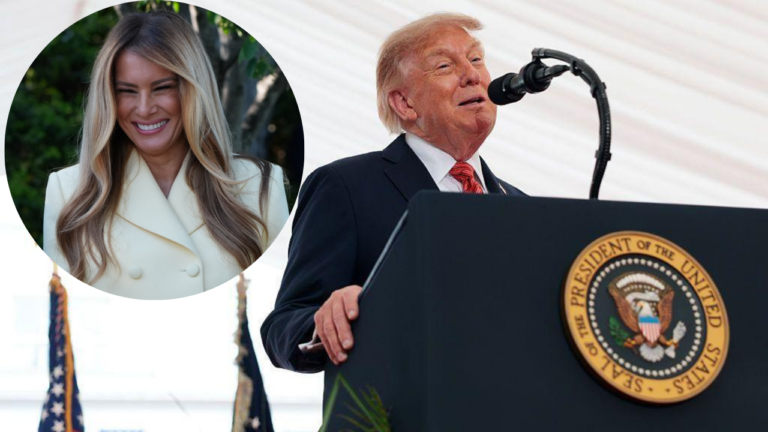
In a late-night outburst that surprised even long-time watchers, President Donald Trump launched a strong attack on Hollywood star Robert De Niro — and even talked about deporting him.
Yes, deporting him.
He’s an American citizen.
After being criticized during his State of the Union speech, Trump used his Truth Social platform to lash out at his critics.
He grouped De Niro with Democratic representatives Ilhan Omar and Rashida Tlaib, calling the Oscar-winning actor “sick,” “demented,” and “seriously criminal.” He then suggested De Niro and others should “get on a boat” and leave the country.
Let’s stop there.
Robert De Niro — born in Manhattan, raised in New York City, one of the most respected American actors of all time — was just threatened with being forced to leave the country by a sitting president for criticizing him.
Trump mocked De Niro for getting emotional and claimed some of the actor’s statements were “seriously criminal,” though he provided no proof of any crime.
Instead, the message felt like a stream of random insults and accusations without a clear point.
This wasn’t policy.
It wasn’t debate. It was just venting.
And the target wasn’t just some anonymous person online — it was a Hollywood legend who has helped shape American culture for decades.
Trump’s behavior follows a pattern: when challenged, he gets more aggressive.
When criticized, he threatens. From attacking members of Congress to now imagining deporting a U.S.-born actor, the language is getting worse.
Legal experts have warned for a long time that calling political criticism “criminal” is very dangerous.
Free speech doesn’t disappear just because it upsets the president. But in Trump’s view, speaking out against him is the same as being disloyal.
The irony?
De Niro’s “crime” seems to be openly opposing Trump’s policies.
That’s not a crime.
That’s democracy.
And if speaking out against power now means you get a ticket “on a boat,” the real question isn’t what De Niro did wrong.
It’s how far this kind of talk is willing to go.
About the Author