French President Emmanuel Macron has delivered a sharp public rebuke to Donald Trump after the American president blamed France’s recent unrest on immigration and warned that Paris would soon become a “Muslim city.”
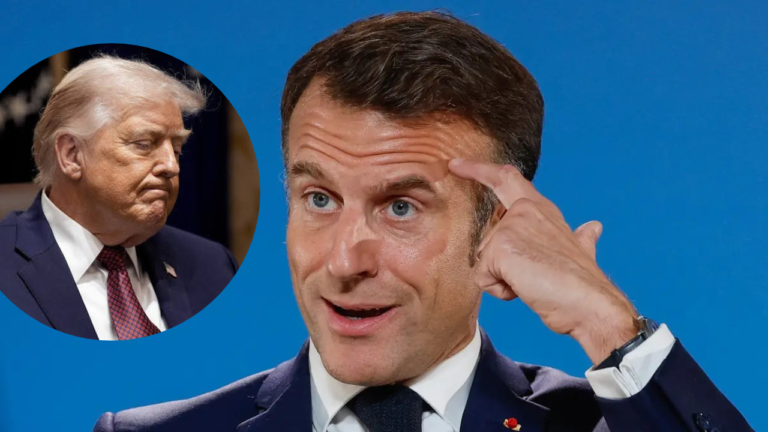
Speaking to reporters in Qatar on Wednesday, Macron accused foreign leaders of spreading misleading claims about the violence that erupted during demonstrations across France.
And when a reporter asked whether his criticism was directed at Trump, Macron didn’t hesitate.
“Among others,” he replied.
The exchange followed days of inflammatory comments from Trump, who has repeatedly portrayed the unrest as the result of immigration rather than the economic pressures and public-service grievances driving the demonstrations.
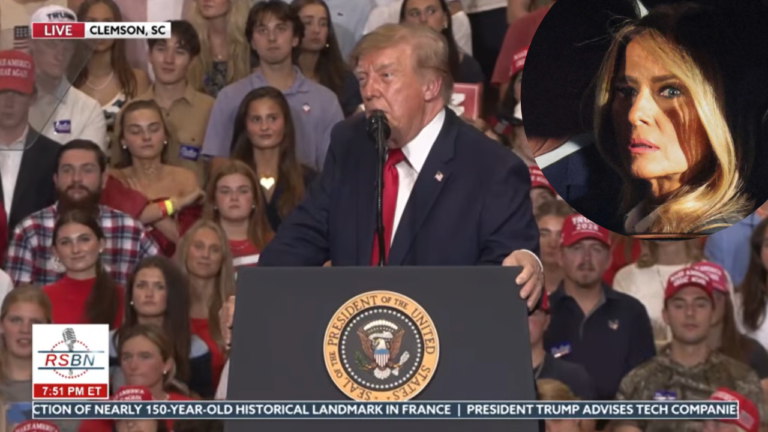
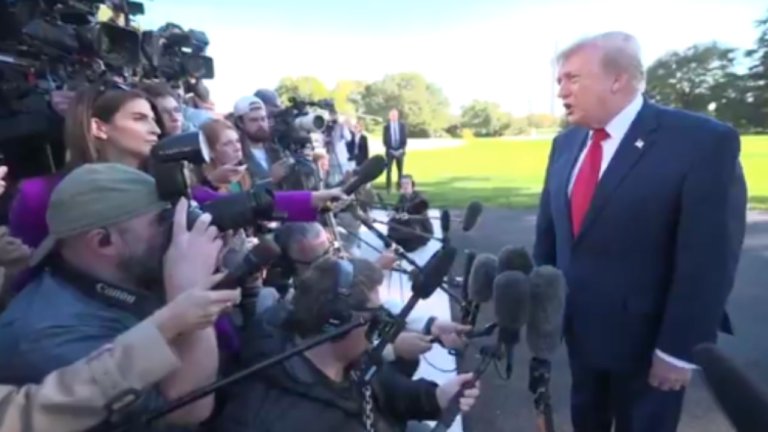
“Paris is gonna be a Muslim city very soon,” Trump told reporters earlier this week, claiming he had warned Macron about France’s immigration policies years ago.
“You’re making a big mistake in France,” Trump said. “You’re letting everybody from the world come in.”
But Macron rejected the suggestion that France had been overwhelmed by migrant or Islamist groups.
“We have people who explained that we have been invaded by hordes of migrants and Islamists, which is totally false,” he said.
The French president distinguished between interference in the protests themselves and the spread of misleading information afterward.
“For me, there is no visible foreign interference in the events that took place,” Macron explained.
Instead, he said, the manipulation of information had produced remarks that were “unacceptable and even stupid,” including comments from foreign leaders.
Macron also warned that AI-generated images depicting events that never occurred in France were circulating online and contributing to distorted accounts of the unrest.
His frustration was unmistakable.
“You know, at times like this you see who loves France and who does not,” he said. “All the people, it has to be said, all the people who are running down our country right now are people who don’t love our country.”
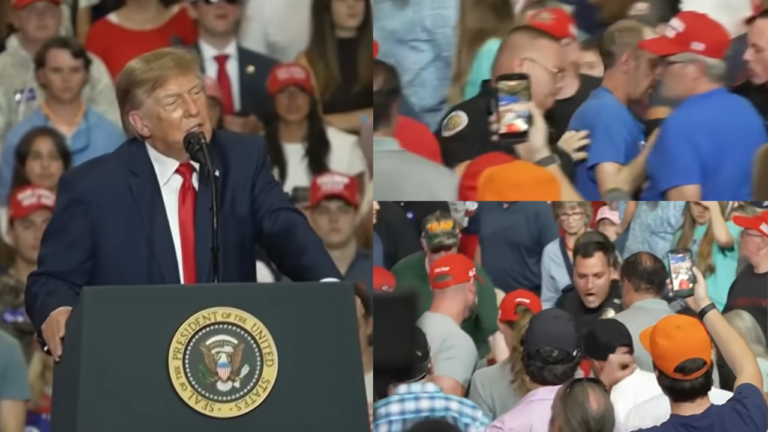
The confrontation comes as France struggles with rising living costs, pressure on public services and anger over education funding. Largely peaceful demonstrations were overshadowed by violent clashes and looting in several cities over the weekend.
Macron has condemned that violence and promised stronger security measures ahead of further demonstrations.
But he has also objected to foreign politicians using France’s domestic crisis to advance their own political agendas.
Trump has repeatedly invoked the French unrest while campaigning for Republicans ahead of the November midterm elections, portraying the violence as a warning about immigration and Democratic policies in the United States.
Those claims go beyond the evidence about what sparked the French protests.
Macron’s response was particularly pointed because he did not deny that France was facing serious problems. Instead, he challenged the American president’s explanation for them.
France’s government has acknowledged shortcomings in its initial security response, and Macron has promised to restore order while addressing the pressures behind the demonstrations.
The French president also used his trip to the Gulf to seek additional fuel supplies as rising energy prices add to the country’s economic difficulties.
But when it came to Trump’s portrayal of France, Macron was unwilling to stay silent.
He made clear that foreign leaders spreading misleading narratives about his country were not helping France resolve its problems.
And when asked whether Donald Trump was among them, his answer left little room for doubt.
“Among others.”
About the Author