Donald Trump confirmed Saturday that he rejected an Iranian proposal aimed at reopening the Strait of Hormuz and ending the fighting in the Middle East — shutting down a potential diplomatic opening as the months-long conflict continues.
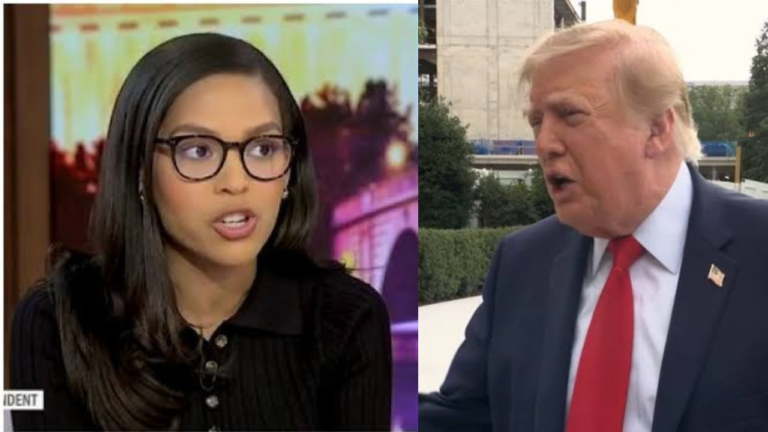
Trump made the confirmation himself while speaking to reporters at the White House before departing for Tennessee.
“I reject their proposal,” Trump said, according to Reuters. “I rejected their deal.”
The admission came after Iran unveiled a proposal that it said had been transmitted to the United States through Qatari mediators during the United Nations General Assembly in New York.
Under the Iranian plan, an agreement would trigger a seven-day process that Tehran said could result in the Strait of Hormuz reopening and a pause in regional hostilities.
Iranian Foreign Minister Abbas Araqchi had publicly urged Washington to take the offer seriously, saying Friday that the groundwork was ready for an agreement if the United States wanted one.
Trump, however, made clear Saturday that he was not accepting the proposal.
He argued that Iran was seeking an agreement because of the economic pressure it is facing and its need to reopen the crucial shipping route.
“They want to make a deal and I think that’s fine, I like making a deal too,” Trump told reporters, before arguing that Iran urgently wanted the Strait reopened because of its financial situation.
The Strait of Hormuz has become one of the central pressure points in the conflict. Shipping through the strategically vital waterway has been drastically reduced, disrupting global oil flows and contributing to economic pressure far beyond the region.
But there is another potentially explosive element hanging over Trump’s decision.
The Wall Street Journal reported, citing unnamed U.S. officials, that Trump has told aides he views another U.S. bombing campaign against Iran as likely after November’s midterm elections.
Trump has not publicly confirmed that reported timetable, and Reuters noted that the Journal first reported his rejection of the Iranian proposal before Trump confirmed the rejection himself on Saturday.
The conflict has already stretched for roughly seven months, beginning with U.S. and Israeli attacks on Iran in February. Since then, periods of reduced fighting have repeatedly given way to renewed strikes, while Iran and its regional allies have targeted U.S. partners and other interests across the Middle East.
Iranian President Masoud Pezeshkian has said Tehran remains prepared to negotiate over its nuclear program and other disputes, while insisting that Iran will not accept what he described as coercion.
For now, however, the immediate diplomatic proposal is off the table.
And this time there is no ambiguity about who rejected it.
Trump said it himself.
About the Author