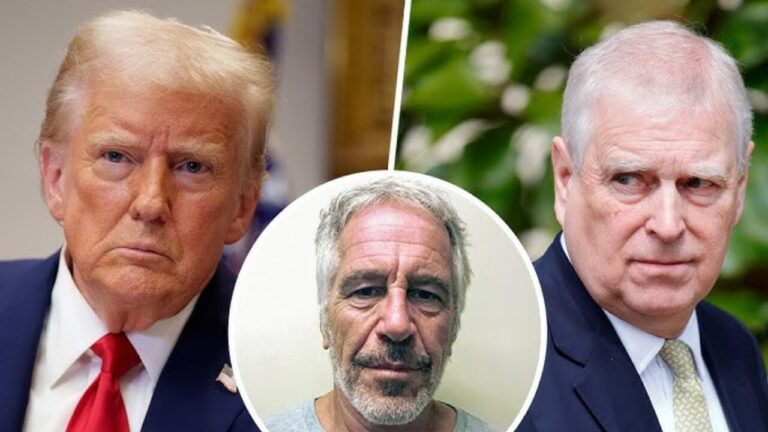
The long shadow of Jeffrey Epstein still affects some of the most powerful places in the world.
Now, it seems the situation has come back to the British royal family once more.
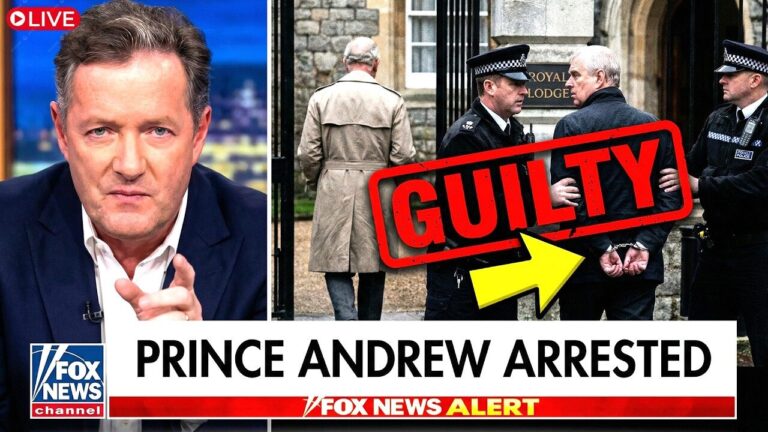
Andrew Mountbatten-Windsor, better known as Prince Andrew, the Duke of York, has reportedly been arrested on suspicion of misusing his position in public office.
At the same time, a UK police force said it is looking into reports that Andrew might have sent trade-related documents or secret material to Jeffrey Epstein, who was convicted of sexual offenses.
If these claims are true, they would be a major step up from the accusations against Andrew over the years.
But before we jump to any conclusions, let’s look at what we do know and what we don’t.
Officials have said they are looking into reports that Andrew may have shared trade-related information with Epstein during their time together.
The key part here is “looking into reports.”
That does not mean charges have been made.
It does not mean someone has been proven guilty. It means police are checking the available evidence to decide if more action is needed.
Still, the fact that this is happening is important, especially since Andrew has already had a lot of controversy connected to Epstein.
Prince Andrew has always admitted knowing Epstein but says he didn’t do anything wrong.
His 2019 interview with BBC was meant to help his reputation, but instead, it made people even more doubtful.
The interview led to a lot of criticism and eventually, Andrew stopped doing public royal work.
He later settled a lawsuit from Virginia Giuffre, who accused him of sexual abuse.
Andrew didn’t admit guilt and didn’t accept responsibility in the settlement.
After that, he has stayed away from public royal duties.
In the UK, misusing public office is a serious crime.
It usually happens when:
A public official ignores their job or uses their position unfairly.
The behavior is serious enough to be punished legally.
There is proof that someone intentionally did something wrong.
If this case is about sharing sensitive trade information, the legal and security issues could be big.
But again, an arrest or investigation is not the same as a guilty verdict.
Many investigations end without charges.
The British monarchy has worked hard for years to improve its public image.
King Charles III has been trying to modernize and simplify the royal family.
But Andrew’s past with Epstein has kept causing problems, especially with more documents and news about Epstein coming out around the world.
If these new claims turn out to be real, they might start new conversations about being honest, taking responsibility, and whether royal special treatment stops people from being fully examined.
The Epstein story keeps showing something sad:
Power protects power, until it doesn’t.
Whether in politics, money, news, or royalty, the Epstein connections have made people ask questions about who knew what, and when.
Prince Andrew keeps saying he didn’t do anything illegal.
The UK police are looking into reports.
The public wants to know the truth.
But the truth needs time, proof, and proper steps — not just guesses.
If this investigation goes forward, it will not only test Prince Andrew, but also the British system itself.
Is the law the same for royalty and regular people?
Or does having a lot of influence still help in secret ways?
As always, the real facts will be more important than the headlines.
And we will be watching closely.
About the Author