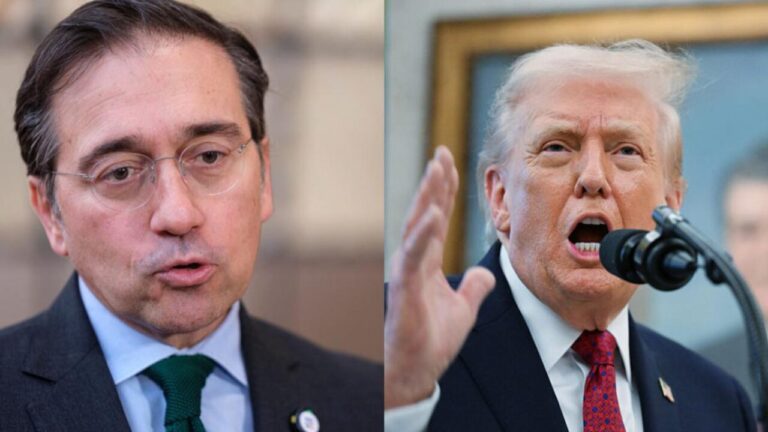
As U.S. service members prepared for potential fallout following a surprise military strike on Iran, President Donald Trump found himself discussing something far less urgent: the White House curtains.
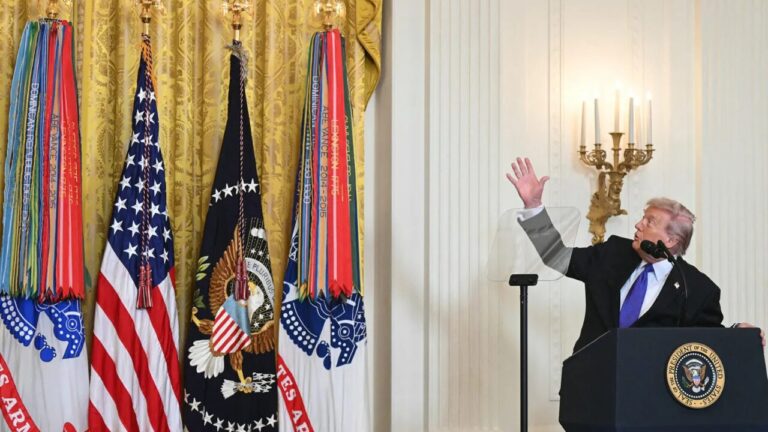
During what was expected to be a solemn update at a Medal of Honor ceremony, Trump briefly acknowledged troops “serving in harm’s way.” But the moment quickly shifted. Gesturing toward the décor inside the White House ballroom, he began praising the gold drapes and outlining renovation plans.
“See that nice drape,” he remarked, describing how the room would soon frame what he called a “very, very beautiful building.” He even joked about saving money on doors.
The comments came just two days after authorizing military action in Iran — a decision carrying enormous geopolitical consequences.
Dr. Jonathan Reiner, a former White House physician and current CNN medical analyst, reacted bluntly. “It’s very odd to talk about this topic at this time,” he said, noting the contrast between the gravity of war and the lighthearted focus on interior design.
For critics, the disconnect was striking. While tensions in the region remain high and military families brace for uncertainty, the president used part of a ceremonial event to reflect on his preference for gold accents and plans for what he described as the “most beautiful ballroom anywhere in the world.”
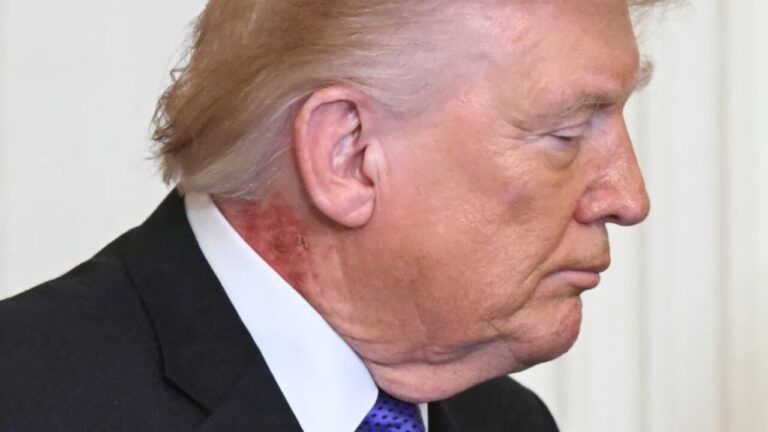
The optics have fueled renewed scrutiny over presidential focus and tone. Photographers at the event also captured a visible rash on Trump’s neck. His physician later described it as a minor reaction to a common topical cream and said the redness could persist for several weeks.
Beyond the visuals, broader concerns about presidential steadiness have resurfaced. Observers have pointed to recent public appearances in which Trump appeared fatigued or struggled through prepared remarks. Reiner has previously suggested that questions about presidential fitness should be evaluated through bipartisan oversight rather than partisan debate.
In moments of international tension, Americans expect clarity, reassurance, and strategic focus from their commander-in-chief. When ceremonial remarks drift toward décor amid escalating conflict, it inevitably raises questions about priorities.
Because during global uncertainty, the country’s attention is fixed on far more than curtains.
About the Author