Police officers who defended the United States Capitol during the January 6, 2021, attack could finally receive long-delayed recognition when the new Congress convenes in January.
According to exclusive reporting by MeidasTouch’s chief Washington correspondent Scott MacFarlane, incoming Democratic congressional leaders are preparing to restore official commemorations, relocate a memorial plaque honoring the officers and renew efforts to provide financial assistance to those still suffering from their injuries.
Congress passed legislation in 2022, signed by then-President Joe Biden, requiring a memorial plaque to be installed on the Capitol’s west front by March 2023.
Instead, the plaque remained in storage for years.
An agreement reached with the involvement of Republican Senator Thom Tillis eventually resulted in its installation in January 2026. However, it was placed in a basement hallway inaccessible to the general public and the officers’ families.
The incoming congressional majority reportedly intends to relocate the plaque to a more prominent location.
For Gladys Sicknick, whose son Brian suffered fatal strokes following his response to the Capitol attack, the decision carries significant personal meaning.
“It means so much, because those police officers went through hell,” Sicknick said.
But congressional Democrats are also preparing measures that would extend beyond symbolic recognition.
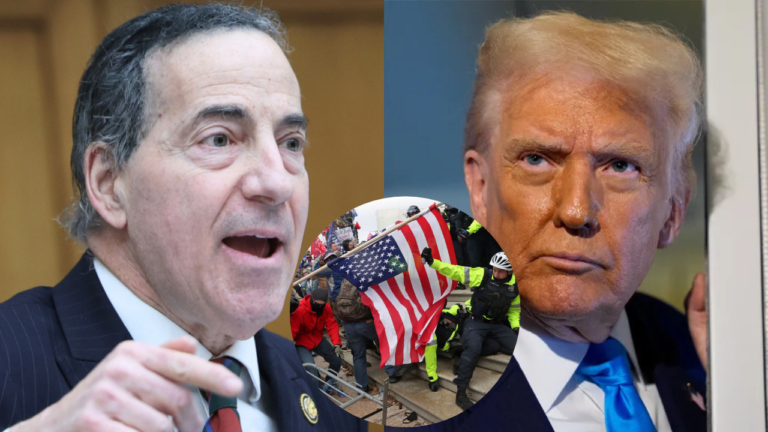
Maryland Congressman Jamie Raskin, the incoming chairman of the House Judiciary Committee, intends to reintroduce legislation providing compensation for officers who experienced physical or psychological injuries, as well as assistance for families of officers who lost their lives.
Raskin introduced a similar proposal in May 2026, but the legislation failed to advance in the Republican-controlled House.
Democratic lawmakers also intend to examine the Trump administration’s proposed $1.7 billion compensation fund, which raised concerns about potential payments to individuals involved in the Capitol attack.
Although the Justice Department has indicated that it is no longer proceeding with the fund, Raskin wants congressional safeguards to prevent its revival.
The plans also include restoring official remembrance ceremonies and supporting educational initiatives documenting the events of January 6.
For some officers, however, congressional recognition cannot erase the physical injuries, emotional trauma and political controversies they have endured.
Michael Fanone, a former Washington police officer who suffered serious injuries during the attack, expressed skepticism about whether a memorial or official ceremony could repair the damage.
Fanone told MacFarlane that Trump’s return to office had “eroded any acknowledgement or appreciation that could be restored by a plaque or a designated day of remembrance.”
Nearly six years after the attack, the officers who protected Congress continue to live with its consequences.
The proposed initiatives would not change what happened that day, but they could provide lasting public recognition and meaningful financial support for those whose lives were permanently affected.
SOURCES
About the Author