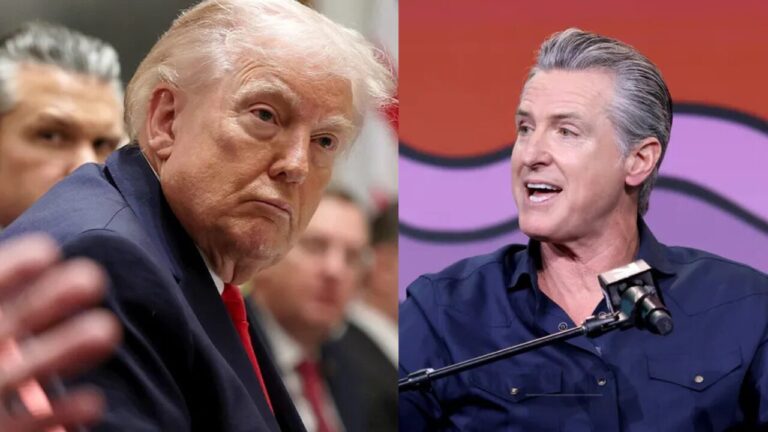
Donald Trump is proposing a significant shift in federal spending, aiming to increase defense funding to $1.5 trillion in his 2027 budget. The move is partly framed as a way to strengthen the military against potential economic downturns.
If approved, the increase would mark about a 44% jump in Pentagon spending—one of the largest expansions in decades. To help balance the cost, the administration is also calling for a 10% cut to non-defense spending, setting the stage for a major battle in Congress over what gets reduced.
The proposal offers a clear look at the administration’s priorities—and which programs could face cuts.
Housing assistance could take a hit
One of the most immediate effects could be in housing. The plan includes a 13% reduction to the Department of Housing and Urban Development, which supports programs that help low- and moderate-income families afford rent and maintain stable housing.
That could mean fewer housing vouchers, longer waitlists, and less funding for affordable housing projects. With rents still high in many areas, even small reductions in assistance could put added pressure on households already struggling to keep up.
Health programs may face cuts
Healthcare is another area that could see reductions. Trump has made it clear that military spending is his top priority, saying: “We’re fighting wars… It’s not possible for us to take care of… Medicaid, Medicare — all these individual things.”
The proposal includes roughly a 12% cut to the Department of Health and Human Services, which oversees a wide range of programs—from public health efforts to services for vulnerable populations.
Programs like the Low Income Home Energy Assistance Program could also be affected, potentially increasing utility costs for families already dealing with rising bills. While Trump suggested that programs like Medicaid and Medicare could be managed at the state level, critics warn that federal cuts could lead to gaps in coverage or reduced access to care.
Agriculture and food systems could tighten
The Department of Agriculture is also on the chopping block, with a proposed 19% cut. This would impact everything from research funding to food-related support programs.
Some university grants and agricultural research initiatives could be eliminated, which may not have an immediate impact but could affect food production, pricing, and innovation over time.
Clean energy and infrastructure funding at risk
The plan also targets renewable energy and infrastructure spending. It would roll back more than $15 billion from the bipartisan infrastructure law, including funding for clean energy projects and programs run through agencies like NOAA.
That could slow the development of renewable energy and reduce investment in climate-related projects. While the impact may not be immediate, it could influence energy costs and infrastructure improvements in the long run.
More broadly, it signals a shift away from federal support for environmental programs, which the administration has criticized as unnecessary.
Why these cuts are being proposed
The administration says these reductions are part of a broader effort to eliminate what it sees as wasteful or politically motivated spending.
Budget documents repeatedly reference cutting “woke programs,” a term used to describe initiatives focused on social, environmental, or equity-related issues.
Supporters argue that cutting these programs could streamline government spending and redirect resources to national defense. Critics, however, say the cuts would disproportionately affect lower-income Americans while boosting military spending.
A political fight is coming
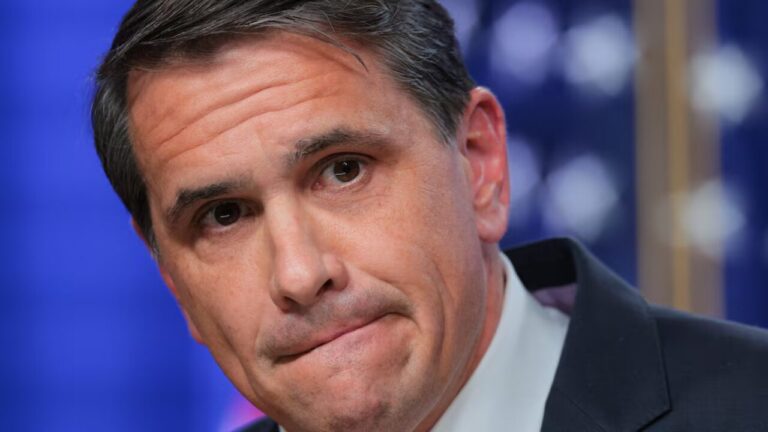
The proposal is already facing pushback. Congressman Brendan Boyle, the top Democrat on the House Budget Committee, called it deeply unbalanced.
“This budget represents ‘America Last,’” Boyle said, pointing to the gap between increased defense spending and cuts to domestic programs.
As with most presidential budgets, the proposal is likely to be heavily revised in Congress. Lawmakers from both parties will debate priorities, and many of the proposed cuts could be reduced or removed before anything becomes law.
What it could mean for everyday Americans
The real impact will depend on which programs people rely on. Cuts to housing, healthcare, and energy assistance could raise out-of-pocket costs—especially for households already on tight budgets.
At the same time, the benefits of increased defense spending are less direct, making the trade-offs more noticeable for everyday families.
It’s also important to remember that a president’s budget proposal doesn’t become law on its own. Congress ultimately decides federal spending and can reject or rewrite the plan entirely.
Bottom line
Trump’s proposed $1.5 trillion defense budget is far from final, but it clearly signals a shift in priorities.
Changes like this don’t just affect government accounts—they can show up in housing costs, healthcare access, and everyday expenses, depending on how the final plan takes shape.
Quick money tips
No matter where you’re starting from financially, there’s always room to improve.
Increase your income. If money feels tight, consider adding a side hustle or finding ways to boost your earnings. Even small extra income streams can make a noticeable difference over time.
About the Author