A retired U.S. general claims some military planners might be resisting pressure from political leaders to expand attacks on Iran, especially because of legal worries about attacking civilian infrastructure.
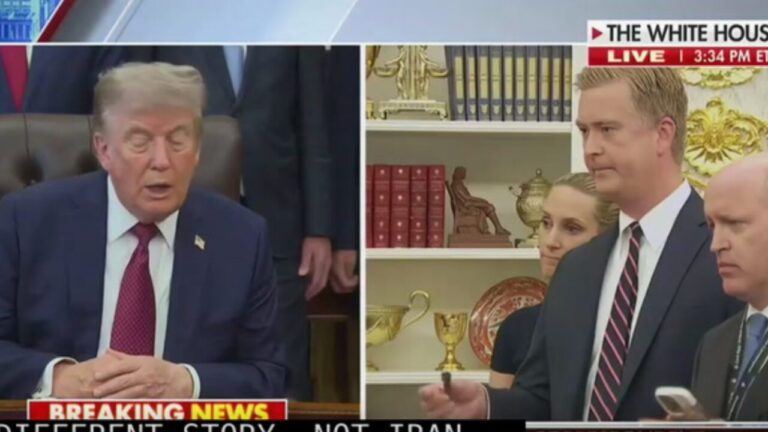
Randy Manner, a former major general, shared this during a televised interview.
He said he has heard stories about resistance inside the U.S. Central Command. According to Manner, military planners are trying to avoid targeting unlawful sites by changing strike plans to focus on real military targets.
He said, “The military is already saying no,” describing this as a “quiet resistance” within the command.
Manner explained that officers are trying to follow the law while also dealing with the risks of being punished in a highly political environment.
His comments come as President Donald Trump has made strong public statements against Iran, including suggesting the U.S. might attack things like bridges and power stations if Iran doesn’t allow ships to pass through the Strait of Hormuz.
Legal experts say these threats might be against international law.
One expert told Axios, “Threats meant to terrify civilians are not allowed.”
Inside the Pentagon, Defense Secretary Pete Hegseth has supported Trump’s tough stance, according to several reports.
At the same time, some top military legal officials have been removed or put on the side, which has raised concerns about how targeting decisions are being checked.
The debate is especially heated when it comes to dual-use infrastructure.
Things like energy grids and water treatment plants can help both civilians and the military. Attacking them could give strategic advantages but also might break the rules of war, which stop attacks that hurt civilians too much.
The current campaign against Iran, called Operation Epic Fury, started on February 28 and has mainly targeted military assets.
Analysts say thousands of targets linked to Iran’s missile systems, navy, and command centers have already been hit.
However, as those targets get fewer, there is more pressure to expand the attacks.
This has made discussions about legality and long-term effects more intense, including the risk of international criticism.
Manner said some officers are keeping their distance.
“They’re finding other targets,” he said, referring to efforts to stay within legal limits.
Although the Pentagon hasn’t officially responded to these claims, the situation shows a bigger conflict between civilian leaders and military personnel who are trained to follow the rules of war.
About the Author